In New York, the issue of elderly sexual abuse demands meticulous attention. Many vulnerable seniors fall victim to exploitation, often within their own communities. Understanding the complexities of elderly sexual assault laws is crucial for victims seeking justice. This article guides you through navigating legal options and finding effective representation as an elderly sexual abuse lawyer in New York NY can make all the difference. Learn about breaking down barriers and securing justice for those who need it most.
Understanding Elderly Sexual Assault Laws in New York

In New York, elderly sexual abuse is a serious concern, and understanding the legal framework surrounding it is crucial for victims seeking justice. The state has specific laws in place to protect vulnerable adults, including those aged 65 and above, from sexual exploitation and assault. An elderly sexual assault lawyer in New York NY is equipped to navigate these complex legal matters and ensure victims’ rights are upheld.
These laws hold perpetrators, care facilities, and institutions accountable for any form of non-consensual intimate acts involving the elderly. Victims have the right to seek legal recourse through civil lawsuits, aiming to secure compensation for physical and emotional trauma suffered. An experienced lawyer can guide clients through the process, helping them understand their options and fighting for their rights in cases of elderly sexual abuse.
Navigating Legal Options for Victims of Elder Abuse

Finding Justice: Representing Elderly Clients Effectively
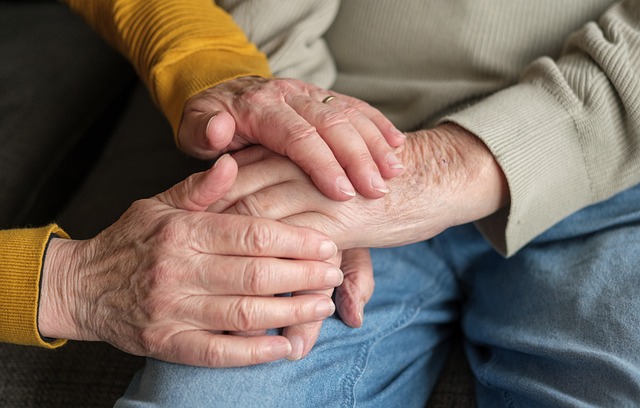
For many elderly victims, finding the courage to speak out about sexual abuse is a significant step towards justice and healing. As such, it’s crucial to have dedicated legal professionals who understand the unique challenges faced by older individuals in these situations. An experienced elderly sexual assault lawyer in New York NY can provide invaluable support and representation, ensuring their clients’ voices are heard.
These attorneys are equipped to navigate complex legal systems while offering empathetic guidance tailored to the specific needs of their elderly clientele. They employ strategies that consider physical limitations, cognitive impairments, or any other factors that might impact an older person’s ability to participate in the legal process. By doing so, they not only help secure justice but also foster a safe and supportive environment for vulnerable victims to share their stories.